

My Projects

A deep dive into the problems I identified, the users I served, and the product decisions behind each project, including the architecture, GTM strategy, and outcomes.

ChatMonkey

Year Launched 2026
Current State Active and maintained
Live Demo

PM Framing

Problem: Small businesses can't afford 24/7 phone support and lose leads outside business hours. Current platforms didn't help to understand what customers were asking about and how to improve.

Vision: Enable businesses to effortlessly capture leads and provide instant, 24/7 customer support through custom-trained AI chatbots.

PM Actions: Defined product vision and roadmap; conducted user interviews with small business owners to identify key onboarding friction; designed the subscription model and pricing tiers; managed the full build lifecycle from architecture to Stripe integration.

Outcome: Live SaaS product at mychatmonkey.com with active users; currently user testing and iterating.
Architecture & Execution

Technology Utilized

React Vite TailwindCSS AWS CloudFormation AWS Lambda AWS API Gateway AWS S3 AWS SQS AWS Cognito AWS CloudFront AWS Route53 AWS DynamoDB AWS Secrets Manager Stripe OpenAI API Deep Chat

Implementation Details

  • Built a full-stack SaaS platform allowing users to create, train, and embed AI chatbots in minutes.
  • Developed a responsive dashboard using React and TailwindCSS for bot management, conversation history, and analytics.
  • Engineered a scalable serverless backend on AWS to handle real-time chat processing.
  • Integrated Stripe for seamless subscription billing and plan management.
  • Utilized the OpenAI API to power intelligent, context-aware responses.

Gallery

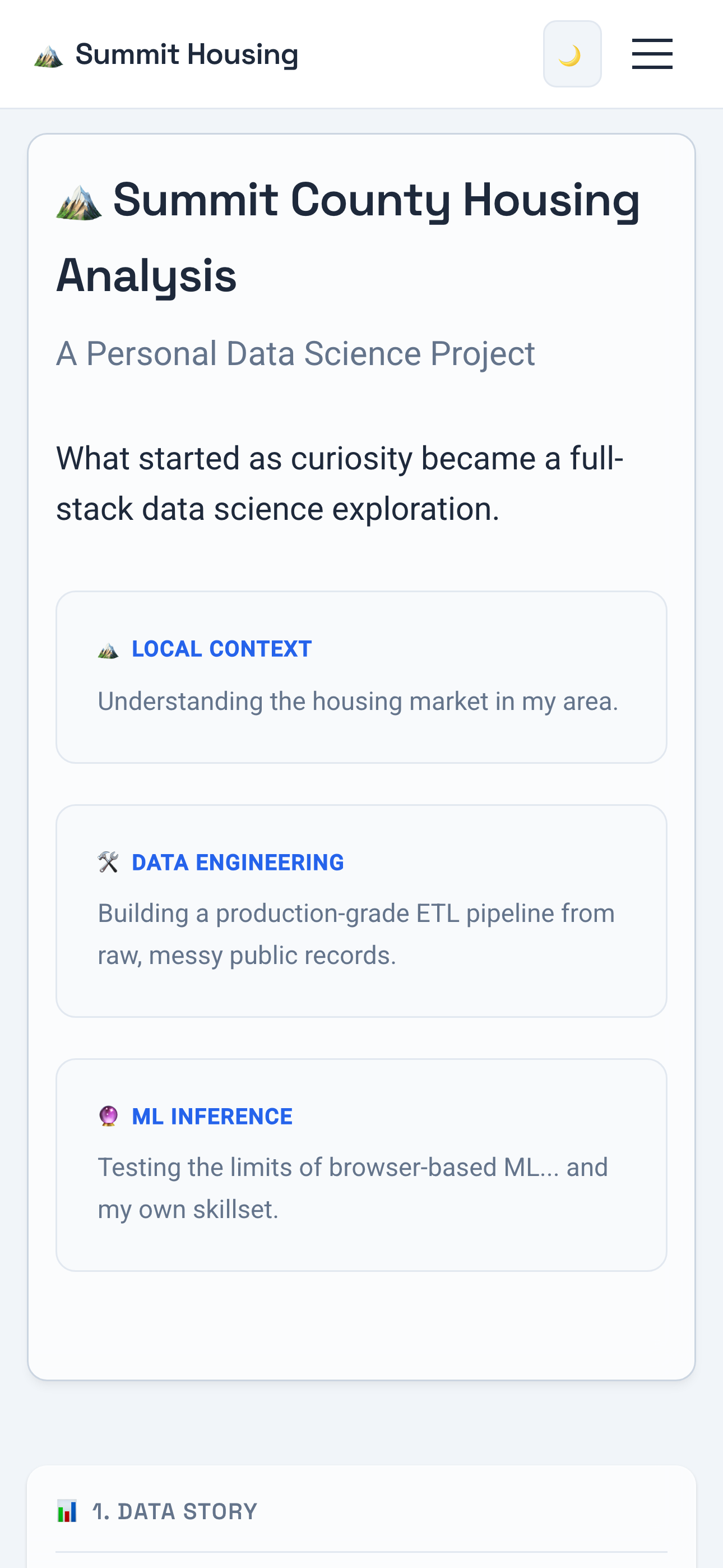
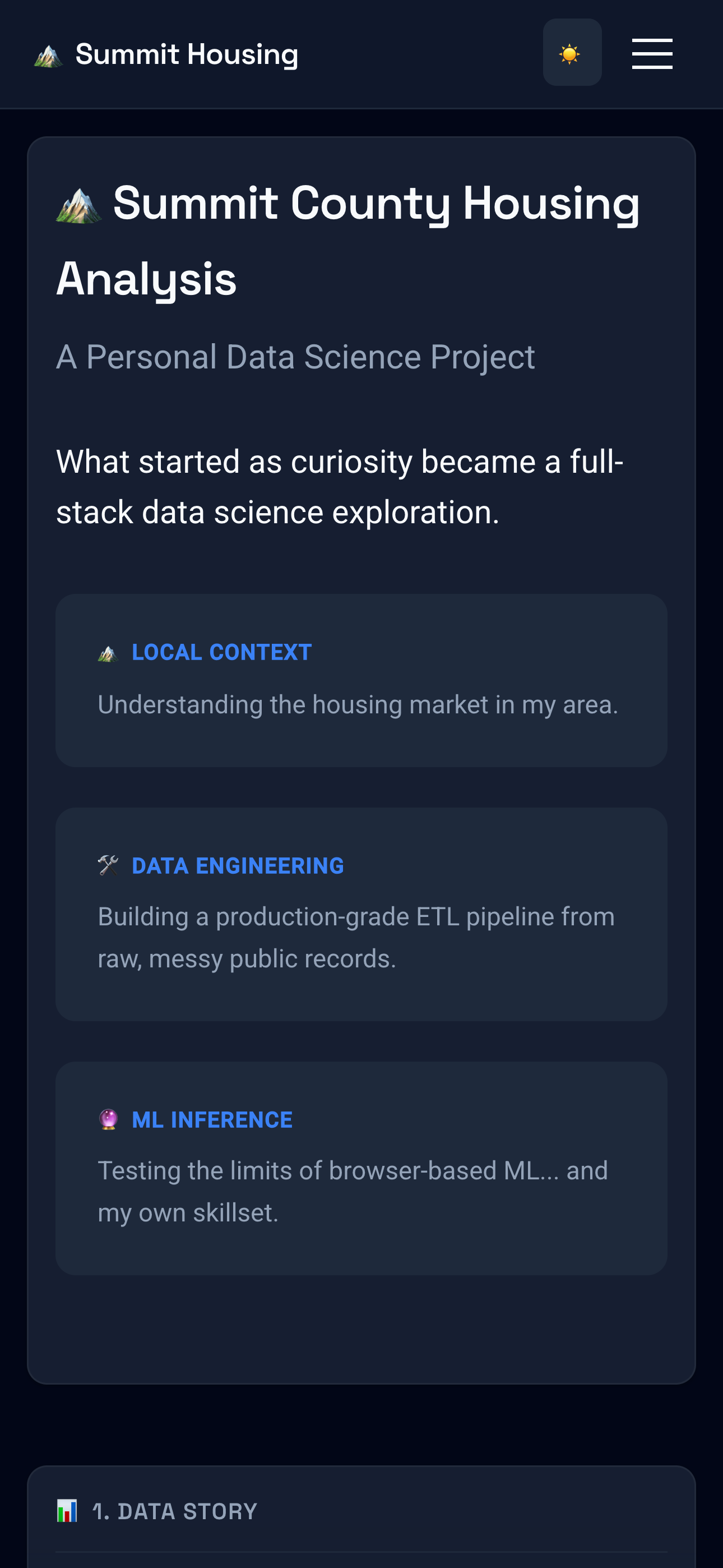
Summit County Housing Analytics

Year Launched 2025
Current State Active and maintained
Repository GitHub

PM Framing

Problem: Mountain real estate buyers and sellers lack reliable predictive tools. existing market data is lagging, opaque, and not localized to micro-markets.

Vision: A production-grade analytics platform that combines Advanced SQL Engineering with Deep Learning to analyze and predict real estate trends in my home area of Summit County, CO.

PM Actions: Defined the product vision and data requirements; architected the full pipeline from raw MLS data to ML model; prioritized explainability (SHAP) as a core product feature to build user trust; designed the Streamlit dashboard as a validated interactive demo.

Outcome: Production-grade ML platform with an interactive live demo; model achieves high-accuracy price predictions on Summit County data.

Architecture & Execution

Technology Utilized

Python PyTorch Streamlit SQL (SQLite) Docker SHAP Pydantic GitHub Actions

Implementation Details

  • Built a normalized SQLite warehouse using complex window functions and CTEs for trend analysis.
  • Developed a custom PyTorch feed-forward architecture for high-accuracy property price prediction.
  • Implemented Explainable AI (XAI) using SHAP values and Partial Dependence Plots to interpret model drivers.
  • Engineered a resilient data pipeline with a Dead Letter Queue (DLQ) pattern and strict Pydantic validation.
  • Created an automated "Champion/Challenger" model registry with temporal cross-validation.
  • Deployed an interactive Streamlit dashboard featuring uncertainty estimation via Quantile Regression.

Gallery

TextMeAvy

Year Launched 2025
Current State Active and maintained
Website TextMeAvy.com

PM Framing

Problem: Overnight winter backcountry travelers lose cell service and have no way to check current avalanche forecasts. Several 2026 incidents have highlighted this gap.

Vision: Make critical avalanche safety data accessible to backcountry travelers regardless of cell coverage, via the satellite messengers they already carry.

PM Actions: Identified the market gap by extending TextMeWeather to a safety use case; conducted user interviews with backcountry travelers; defined the two-way satellite SMS pipeline as the core architectural requirement; designed the onboarding journey based on beta user feedback; segmented users (ski tourers, snowmobilers) for targeted marketing.

Outcome: Live in Apple App Store and Google Play; 50% month-over-month user growth; zero-budget GTM via targeted community outreach.
Architecture & Execution

Technology Utilized

React Native AWS CloudFormation AWS Lambda AWS API Gateway AWS S3 AWS SQS AWS Cognito AWS CloudFront AWS Athena AWS Route53 Stripe Twilio Python Pytest Jest Cypress.io GitHub Actions

Implementation Details

  • Built React frontend to emulate the widgets available from US Avalanche Centers such as the CAIC.
  • Developed apps for iOS and Android, hosted in Apple App Store and Google Play Store.
  • Developed serverless AWS backend to host APIs, authentication, and website.
  • Built vanilla HTML/JS websites hosted on AWS S3 with authentication via AWS Cognito and subscription management via Stripe.
  • Built a system to receive text-based requests and automatically generate and send visual forecast outputs (like elevation maps and pinwheels) back to the user.
  • Developed a complete two-way communication pipeline to bridge satellite messaging protocols with web-based avalanche data.

Gallery

TextMeWeather

Year Launched 2025
Current State Active and maintained

PM Framing

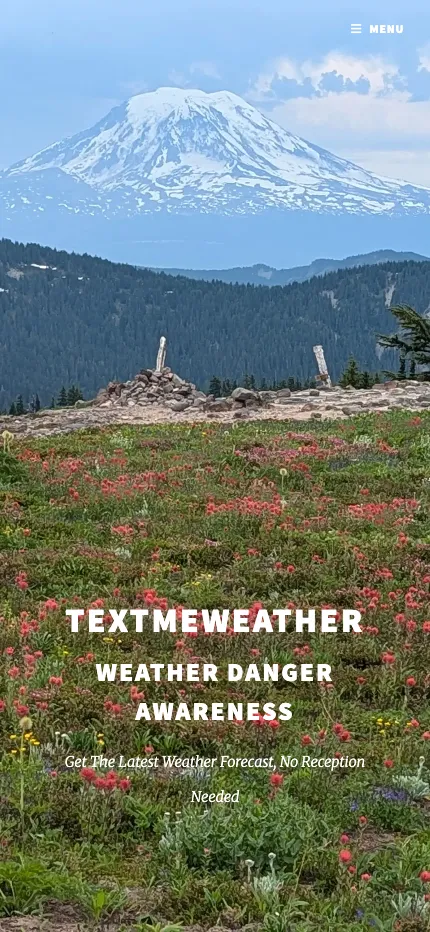
Problem: Satellite messengers like Garmin inReach provide a single weather icon for the whole day. Backcountry travelers need detailed, location-specific forecasts before they lose cell service, and there was no good way to get them.

Vision: Let any backcountry traveler request detailed weather forecasts via satellite messenger and get a useful, formatted response back, with no cell signal required.

PM Actions: Prototyped the core idea; designed the request/response format based on satellite messenger constraints; tested the prototype on the trail; interviewed beta users (backpacking guides, outfitters) to refine UX; led targeted marketing outreach with zero paid budget; iterated roadmap from user feedback on onboarding friction.

Outcome: 10+ MAU within first month, zero marketing budget; live in Apple App Store and Google Play; 50% month-over-month growth.
Architecture & Execution

Technology Utilized

React Native AWS CloudFormation AWS Lambda AWS API Gateway AWS S3 AWS SQS AWS Cognito AWS CloudFront AWS Athena AWS Route53 Stripe Twilio Python Pytest Jest Cypress.io GitHub Actions

Implementation Details

  • Launched in June 2025 to beta users with outbound marketing to backpacking guides and power users.
  • Achieved 10+ MAU user base within a month using no marketing budget.
  • Developed apps for iOS and Android, hosted in Apple App Store and Google Play Store.
  • Developed serverless AWS backend to host APIs, authentication, and website.
  • Built vanilla HTML/JS websites hosted on AWS S3 with authentication via AWS Cognito and subscription management via Stripe.
  • Interviewed users to refine website and app UX.
  • Created automated deployments using CloudFormation.
  • Deployed to two regions with a hot-backup strategy.
  • Architected an event-driven SMS pipeline (AWS Lambda + SQS) to parse unstructured satellite messages, ensuring reliable two-way communication.

Gallery

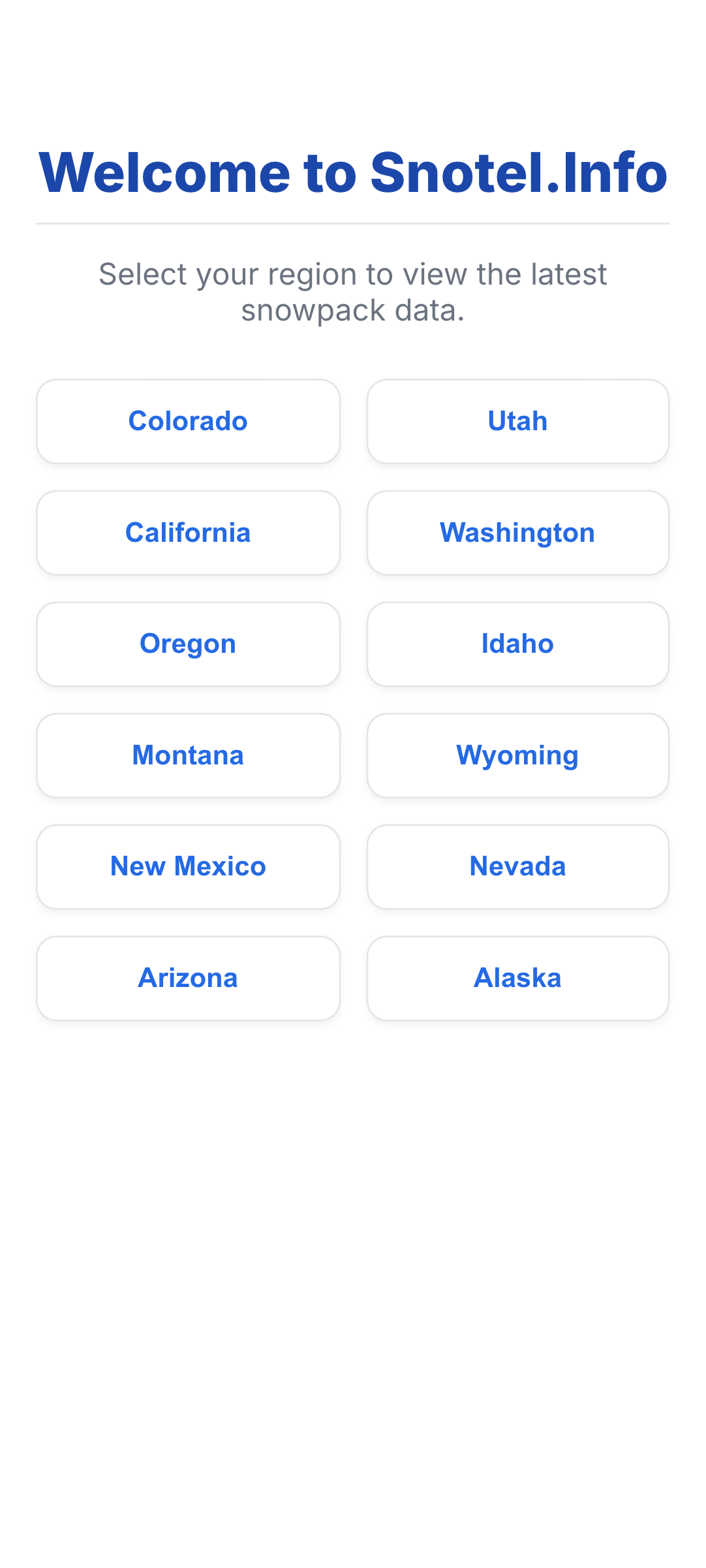
Snotel.Info

Year Launched 2020
Current State Active and maintained
Website snotel.info

PM Framing

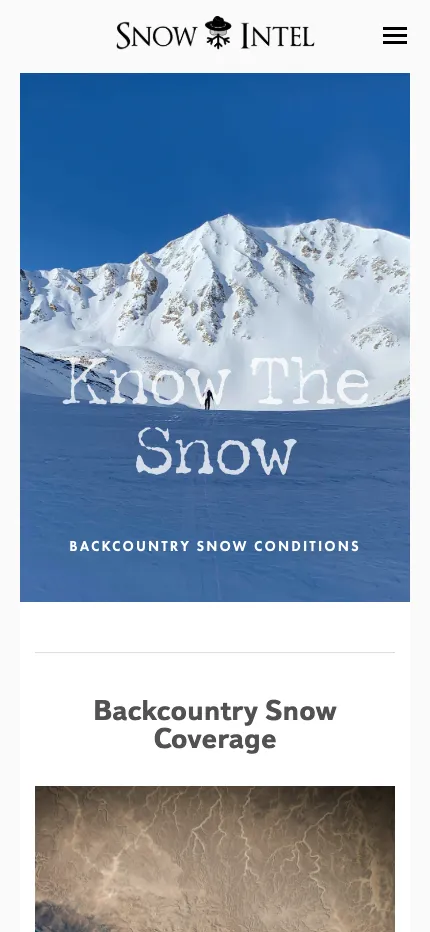
Problem: The official SNOTEL data interface is technical and hard to use, so skiers and outdoor enthusiasts couldn't quickly access the snowpack information they needed.

Vision: Provide a modern, user-friendly dashboard for SNOTEL snow and weather data to make critical snowpack information instantly accessible.

PM Actions: Defined the product as a free, frictionless alternative to the USDA interface; designed the map-based UX to surface key metrics at a glance; used it as a beachhead GTM tool to attract attention to the Snow Intel paid product; refactored in 2025 to a modern serverless AWS stack as an open-source contribution.

Outcome: Active and maintained at snotel.info; served as a freemium funnel to attract Snow Intel beta users; open-sourced on GitHub.
Architecture & Execution

Technology Utilized

Node.js HTML PWA AWS Serverless AWS S3 AWS Lambda AWS API Gateway AWS EventBridge AWS CloudFormation Google Maps

Implementation Details

  • Built simple node.js server and HTML website as a dashboard for SNOTEL data from the USGS.
  • Developed Progressive Web Application (PWA) functionality to allow site to function as an app on device.
  • Utilized cron job and processing script to create time-aggregated metrics, available within a map layer.
  • Created and distributed for free to attract attention to Snow Intel.
  • Refactored in 2025 to serverless AWS hosted API and website. Repo is available open-source: GitHub.
  • Leveraged AWS CloudFormation to quickly deploy S3, Lambda, API Gateway, and EventBridge resources.

Gallery

Snow Intel

Snow Intel iOS Application and Machine Learning Backend
Year Launched 2019
Current State Retired
Website N/A (video below)

PM Framing

Problem: Backcountry skiers had no way to understand what was happening inside the snowpack before heading into the field, a core safety gap that existing weather apps couldn't solve.

Vision: Help backcountry skiers understand snow conditions for route planning with snowpack structure, weather forecasts, and satellite imagery.

PM Actions: Researched the market and existing substitutes; architected the full backend on self-hosted hardware; hired and managed a 3-person contractor team on Upwork to deliver the React frontend in 3 months under $2,500; created a launch plan with digital ads and in-person promotions; ran user interviews and moderated usability tests; identified root cause friction and iterated the wind model; made the disciplined decision to retire the product when a physics constraint (not a software one) prevented further improvement.

Outcome: Attracted 30+ beta users; 100% lift in session duration after feature iteration; deliberately retired after recognizing an insoluble physics bottleneck, one of the most valuable PM lessons of my career.

Architecture & Execution

Technology Utilized

React Alpine3D OpenFOAM Tileserver-GL Nginx Node.js Express Google Analytics PWA R Stripe Mapbox Firebase

Implementation Details

  • Utilized open-source library Alpine3D and NOAA HRRR model outputs to predict layers in the snowpack.
  • Obtained a static IP via Comcast and domain via Squarespace. Built Squarespace website backed by Google Analytics.
  • Built and self-hosted processing, database, API, and tile servers.
  • Architected weather data processing workflow to ingest weather data, produce snowpack predictions, and store <500GB of forecasted data per day.
  • Managed a team of three contractors to produce a React frontend within 3 months for <$2500 budget.
  • Created a launch plan to target beachhead users with digital ads, in-person promotions. Attracted >30 beta users. Retained several users for >3 months.
  • Gathered user feedback through user interviews and moderated usability tests.
  • Determined that wind deposition of snow was causing huge variance in user results. Created a refined wind model in OpenFOAM to improve results.
  • Retired the product after identifying that micro-climate wind modeling was a physics constraint, not a software one. A key lesson in recognizing insurmountable technical hurdles.

Gallery

Viewing: Projects